BELF – Leafing On
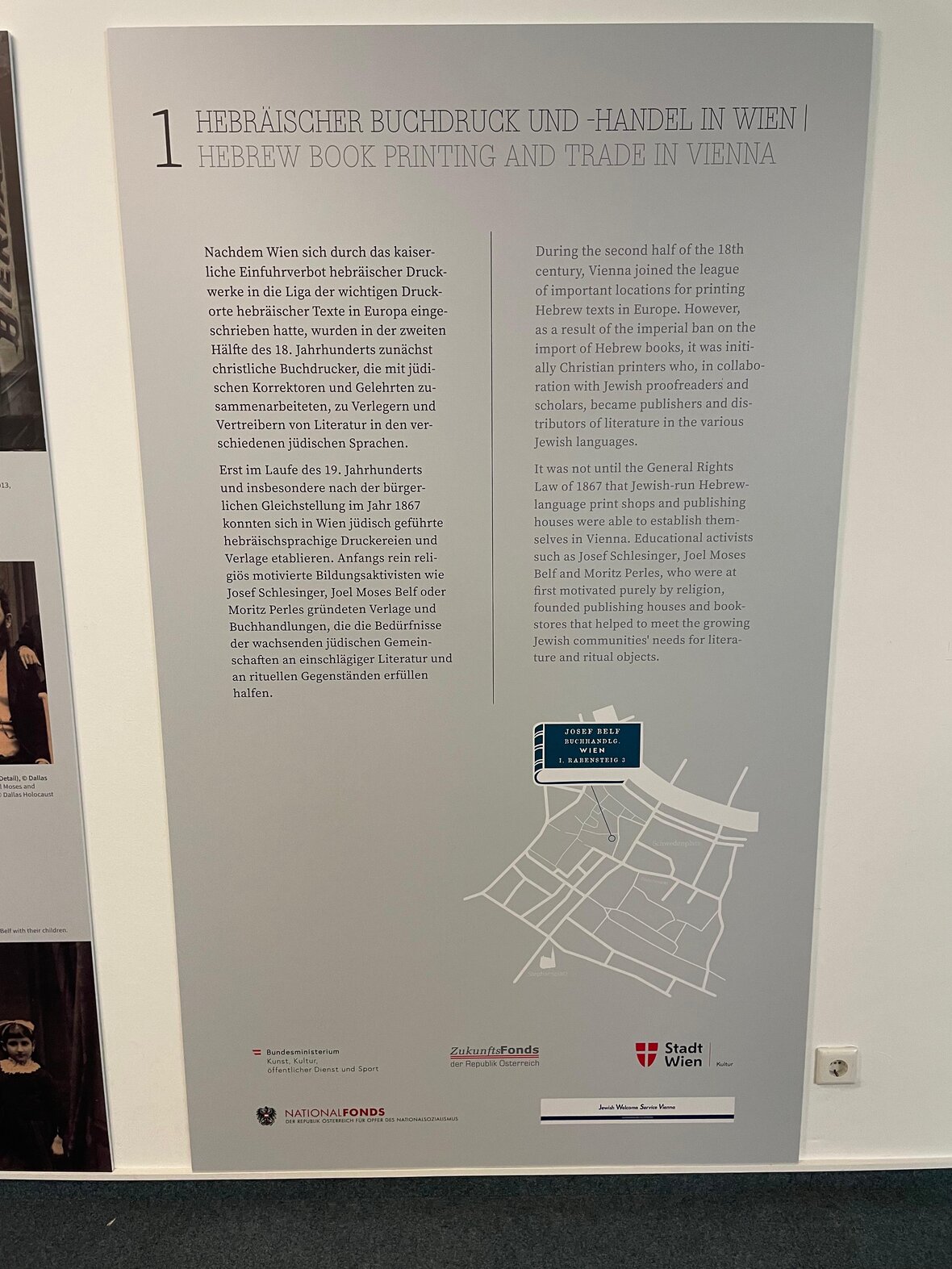
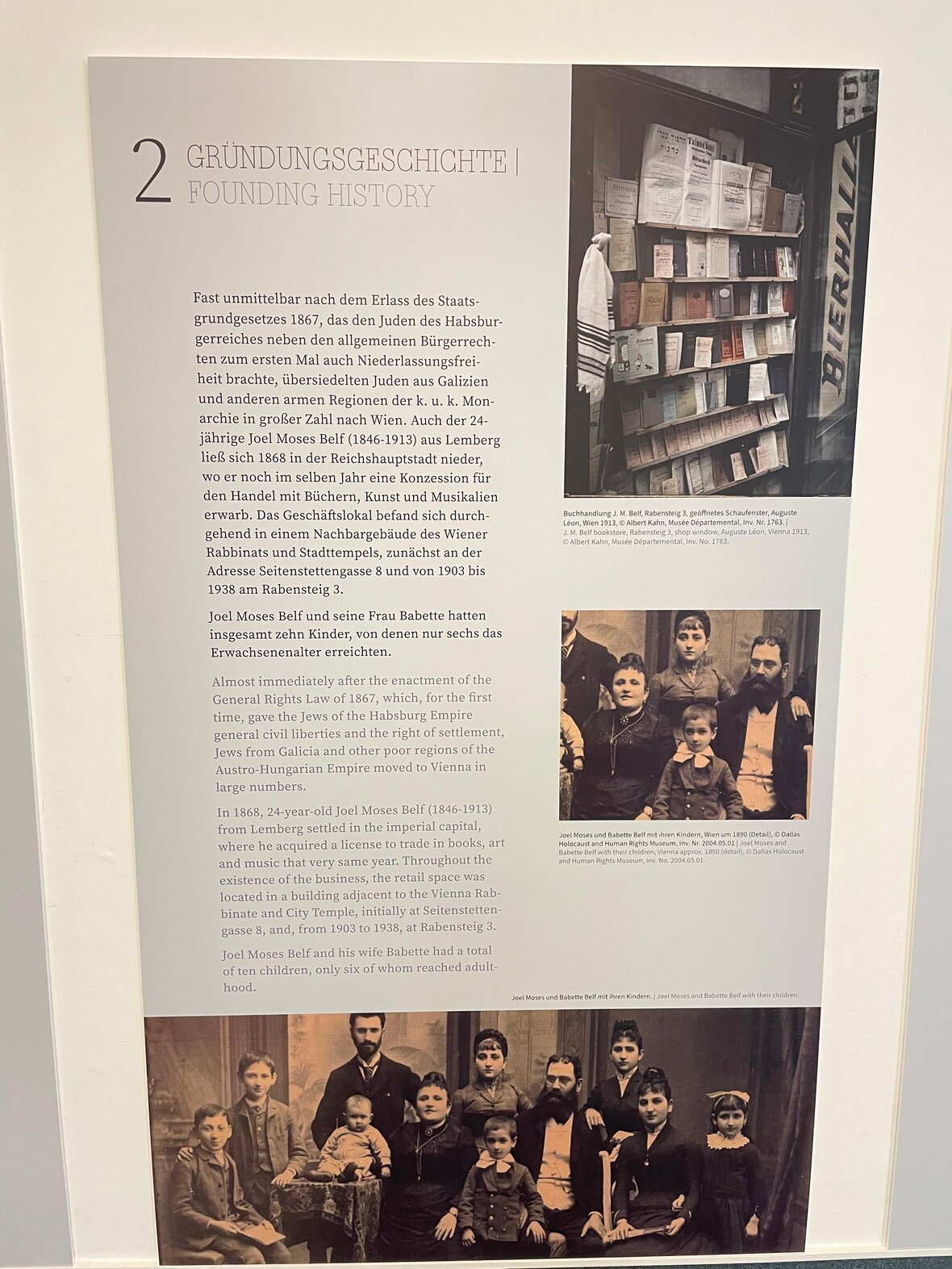
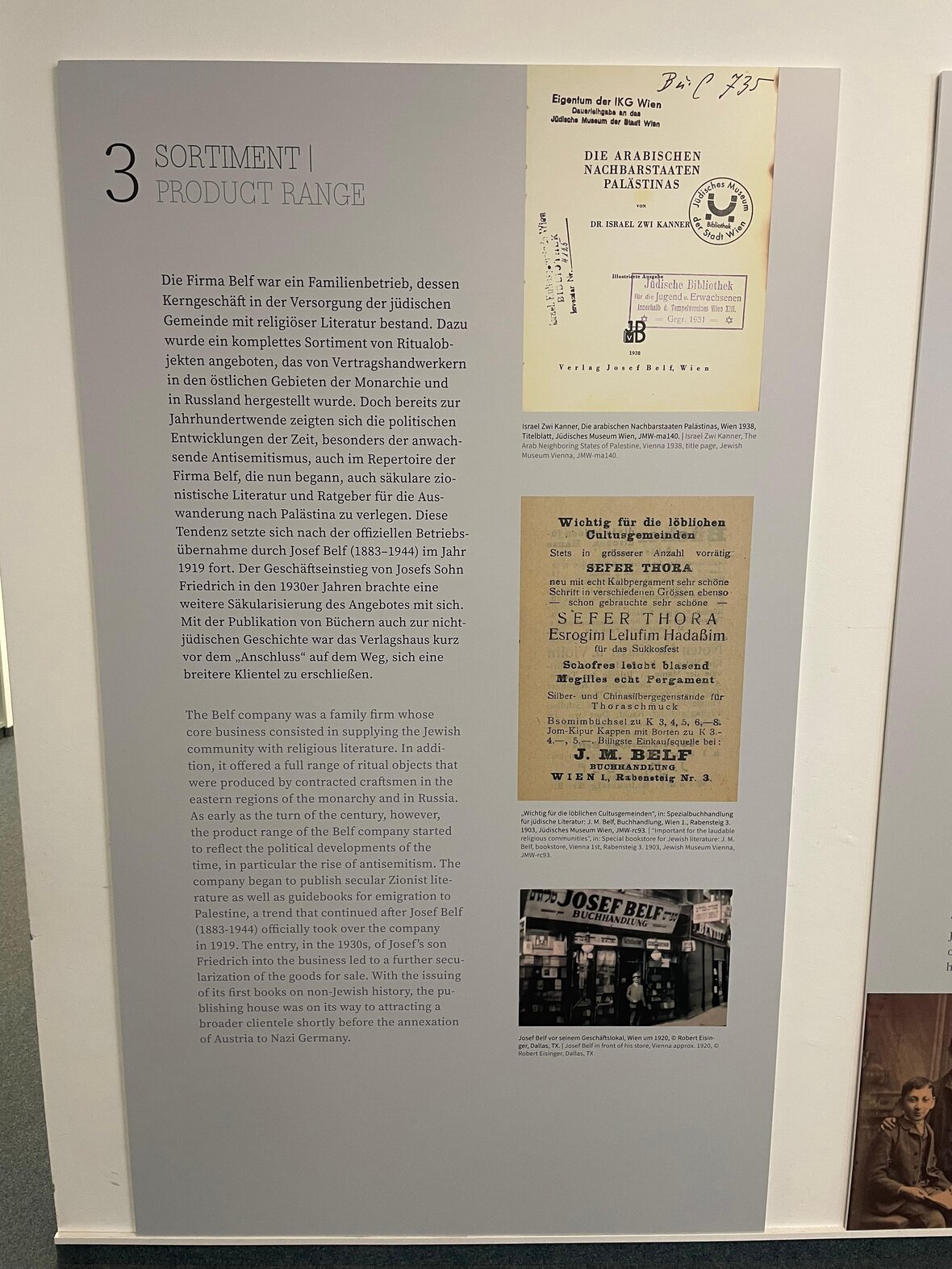
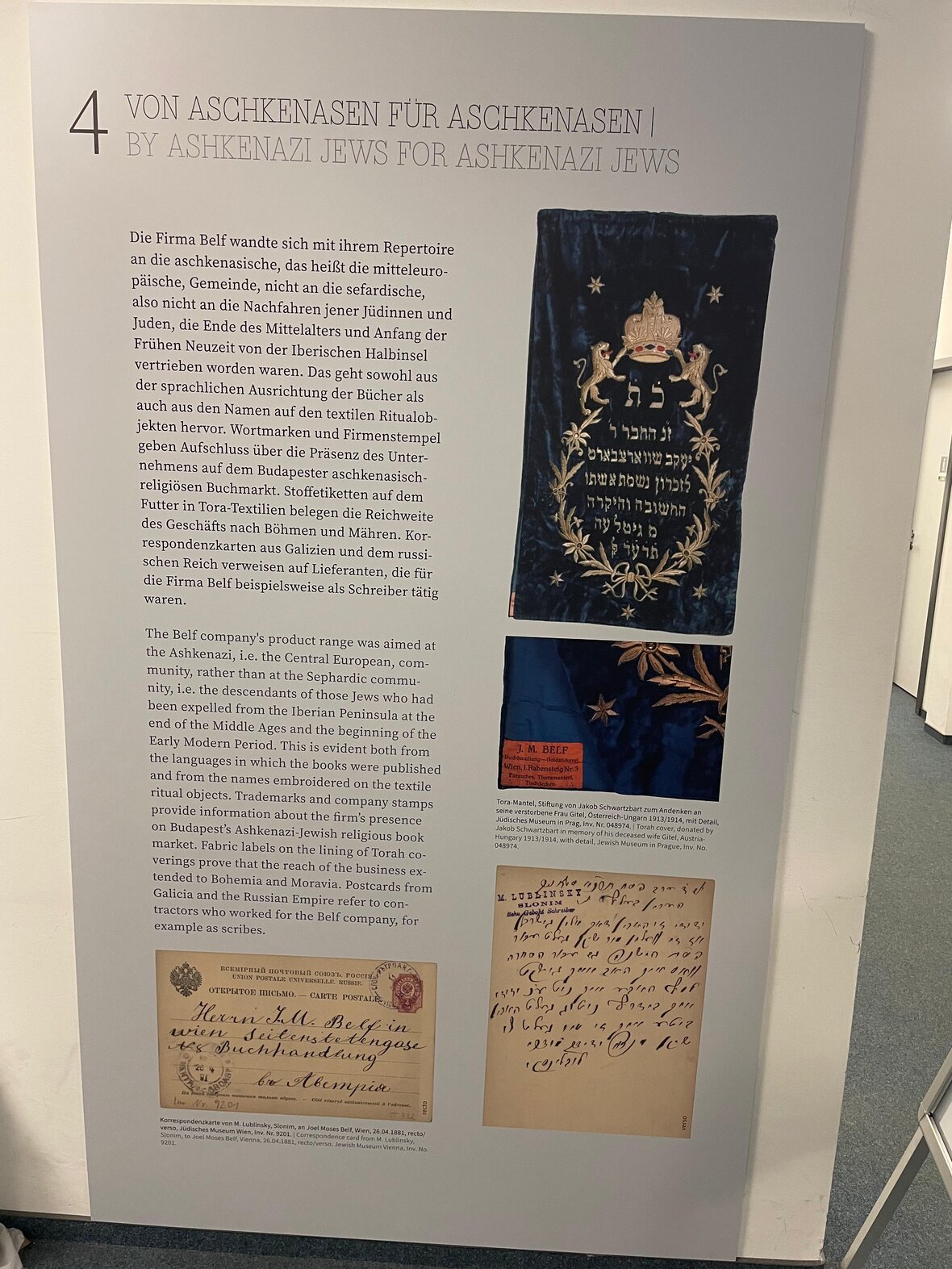
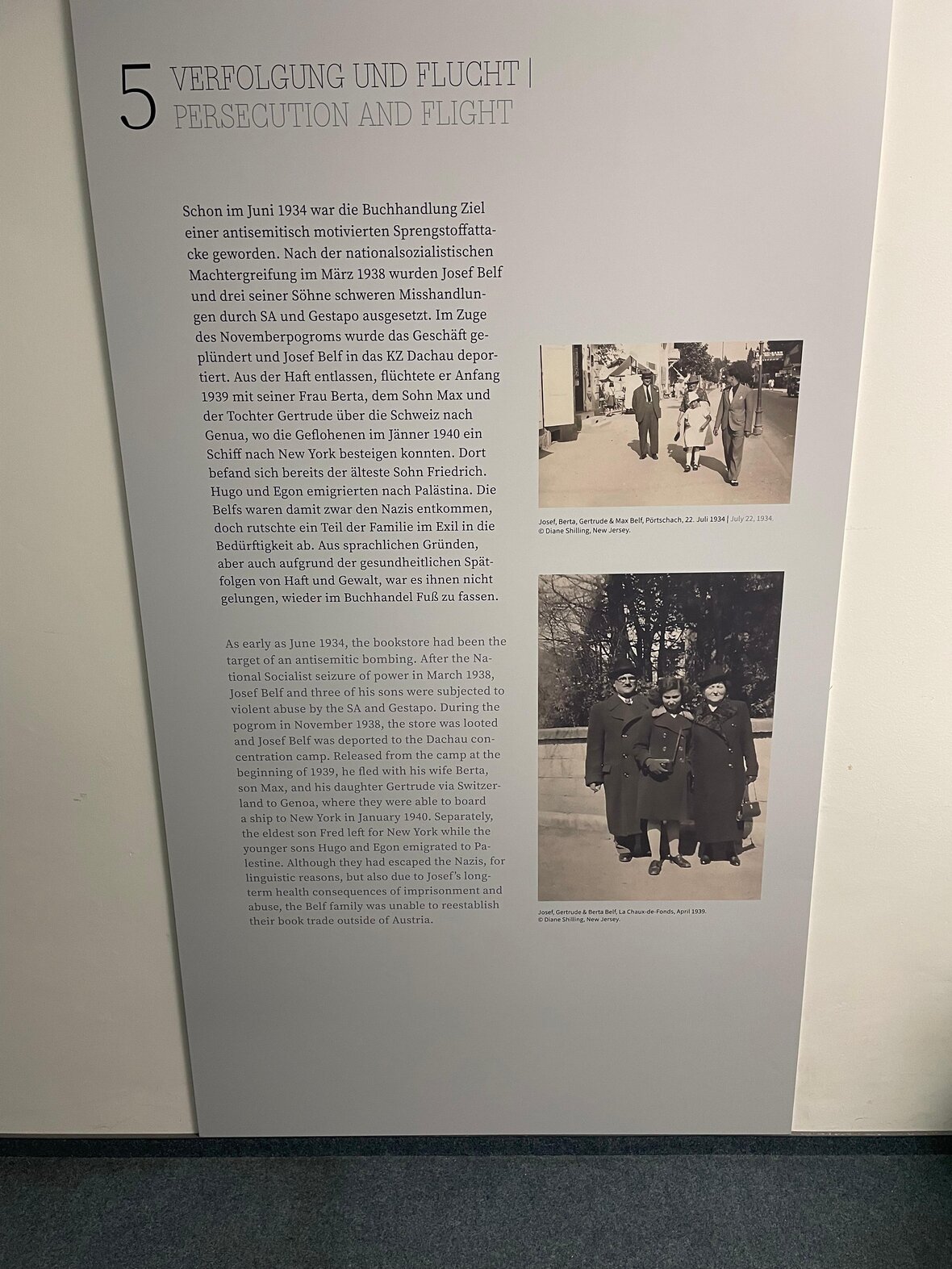
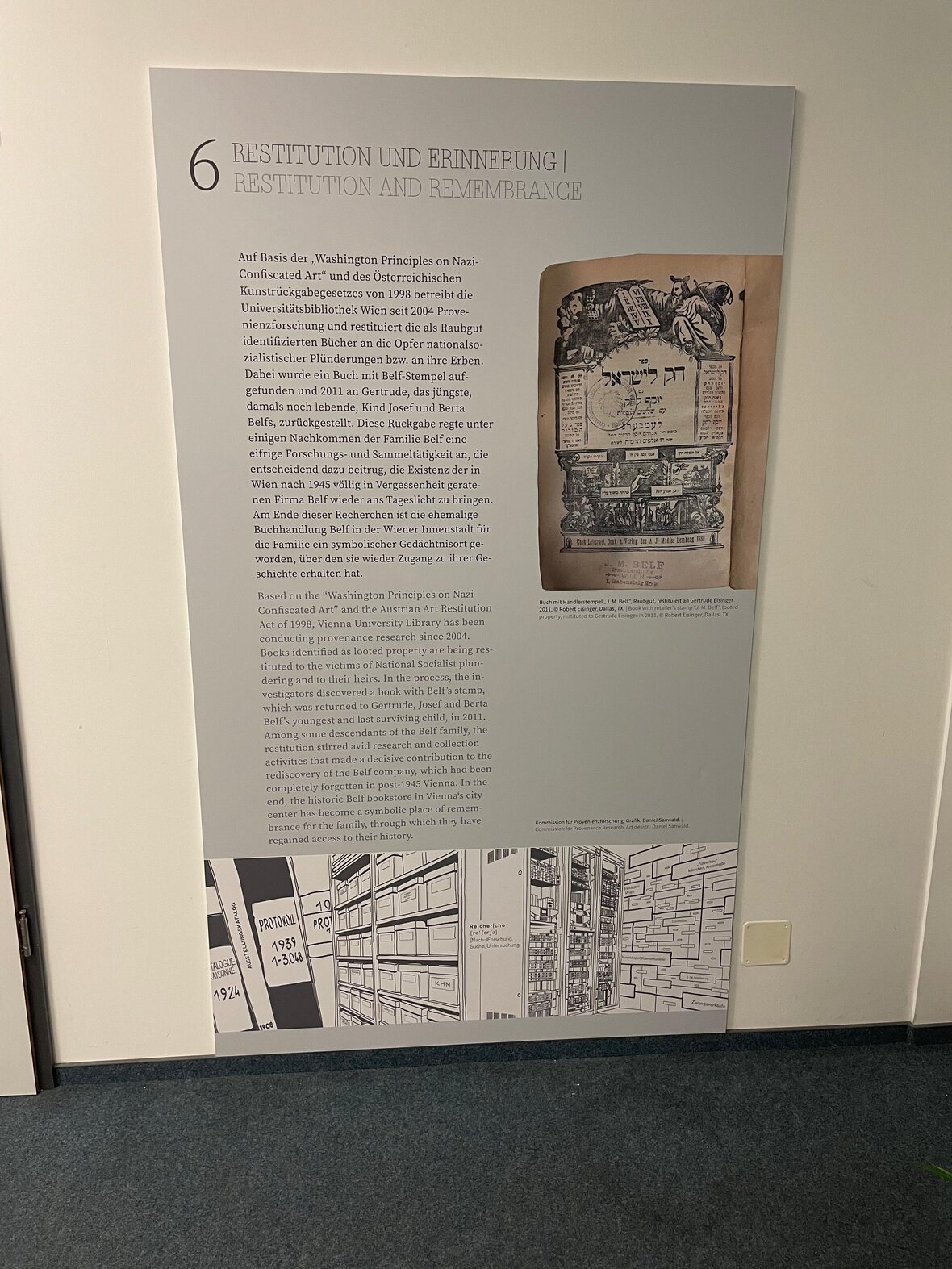
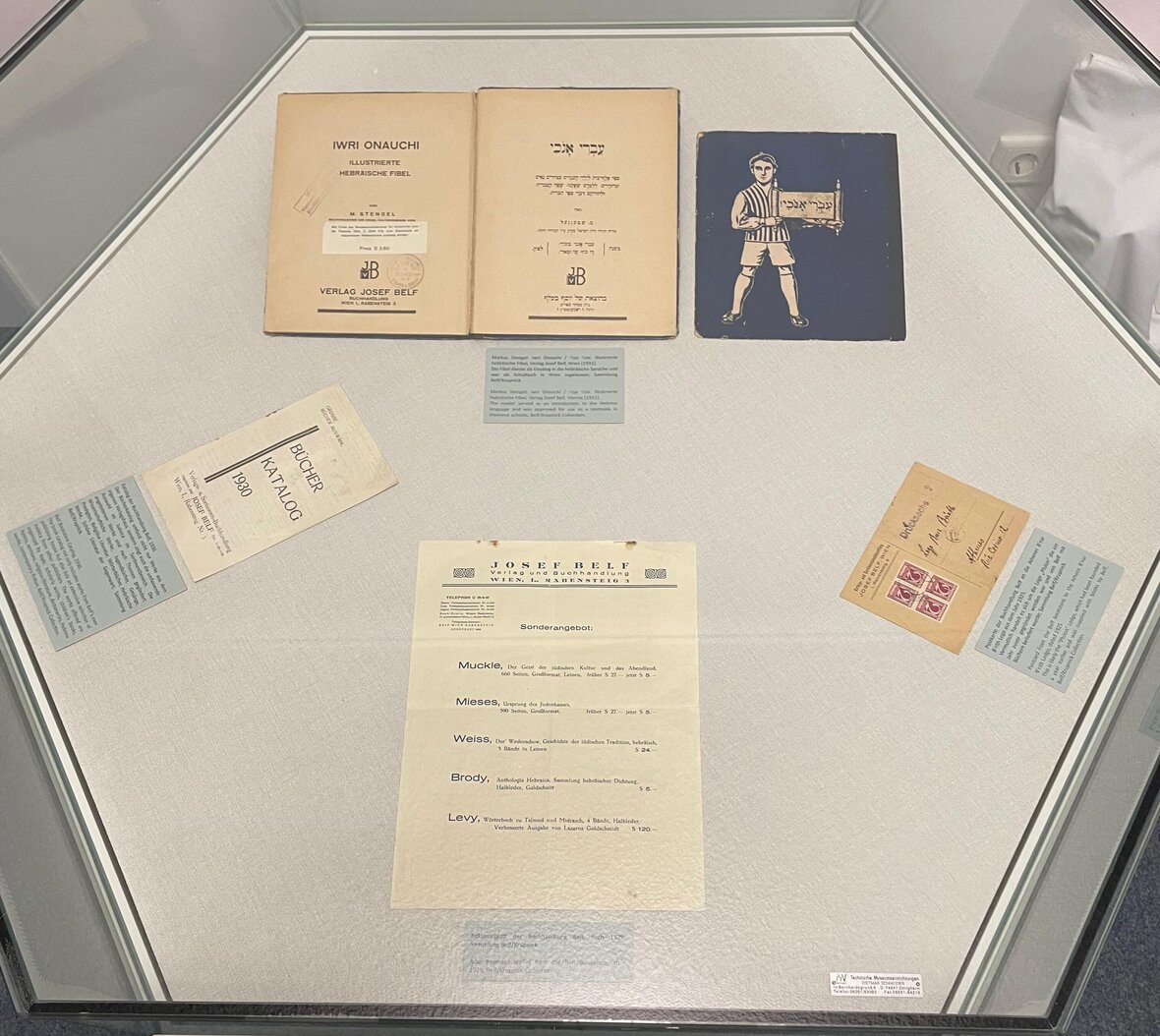
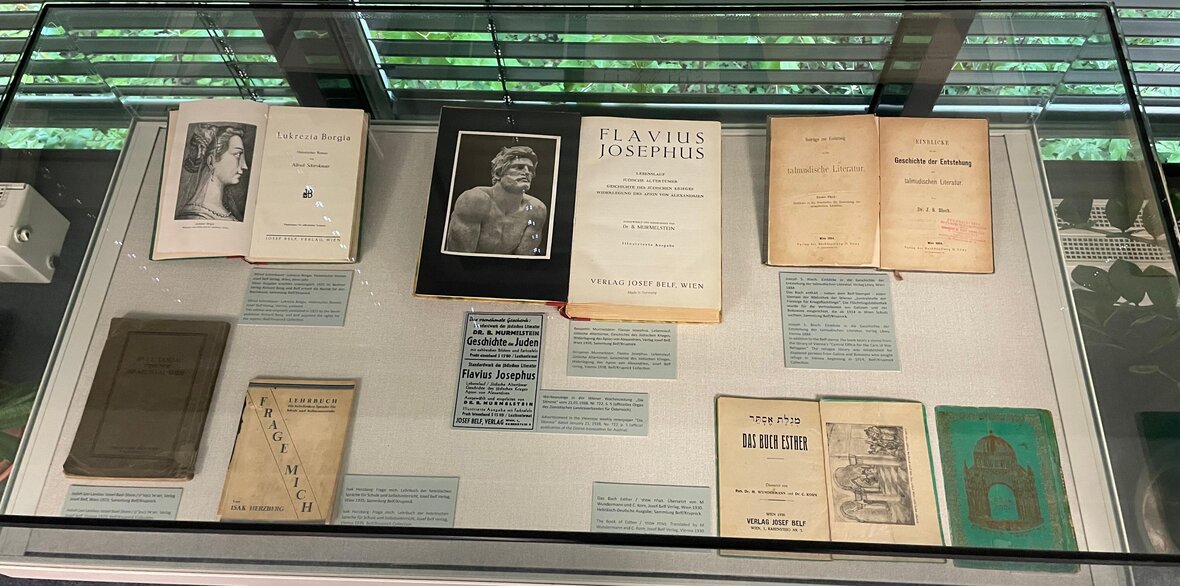
Following its highly acclaimed presentation at the University of Vienna, the exhibition “BELF: The History of a Viennese Jewish Bookstore” is now coming to Heidelberg in an expanded form. Curated by Felicitas Heimann-Jelinek and Monika Schreiber-Humer, the exhibition tells the moving story of the Belf family of Jewish booksellers and publishers —from the founding of their business in 1868 to its violent destruction during the Nazi November pogroms of 1938.
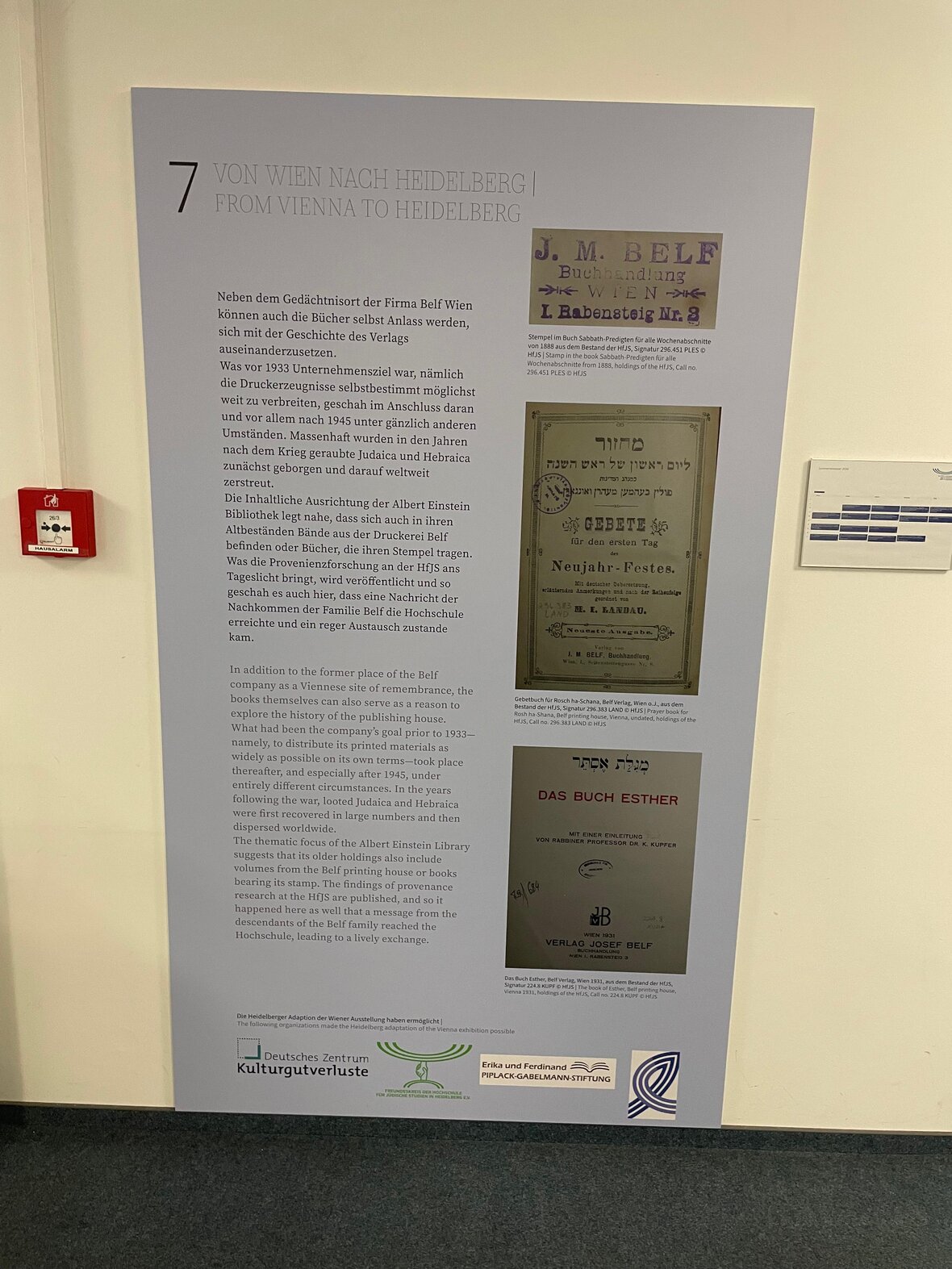
At the heart of the exhibition is the fate of a family that was persecuted, disenfranchised, and stripped of all its possessions. The looted books were scattered across the globe—traces of them can still be found in Heidelberg today. As part of provenance research at the Albert Einstein Library of the Heidelberg College for Jewish Studies, several books from the former Belf bookstore were identified: some from the family’s own publishing house and others from the inventory of the store at that time.
The Heidelberg exhibition showcases these rediscovered holdings for the first time and brings them together with items on loan from the descendants of the Belf family. In this way, the story of loss, dispersion, and rediscovery becomes concrete and tangible.
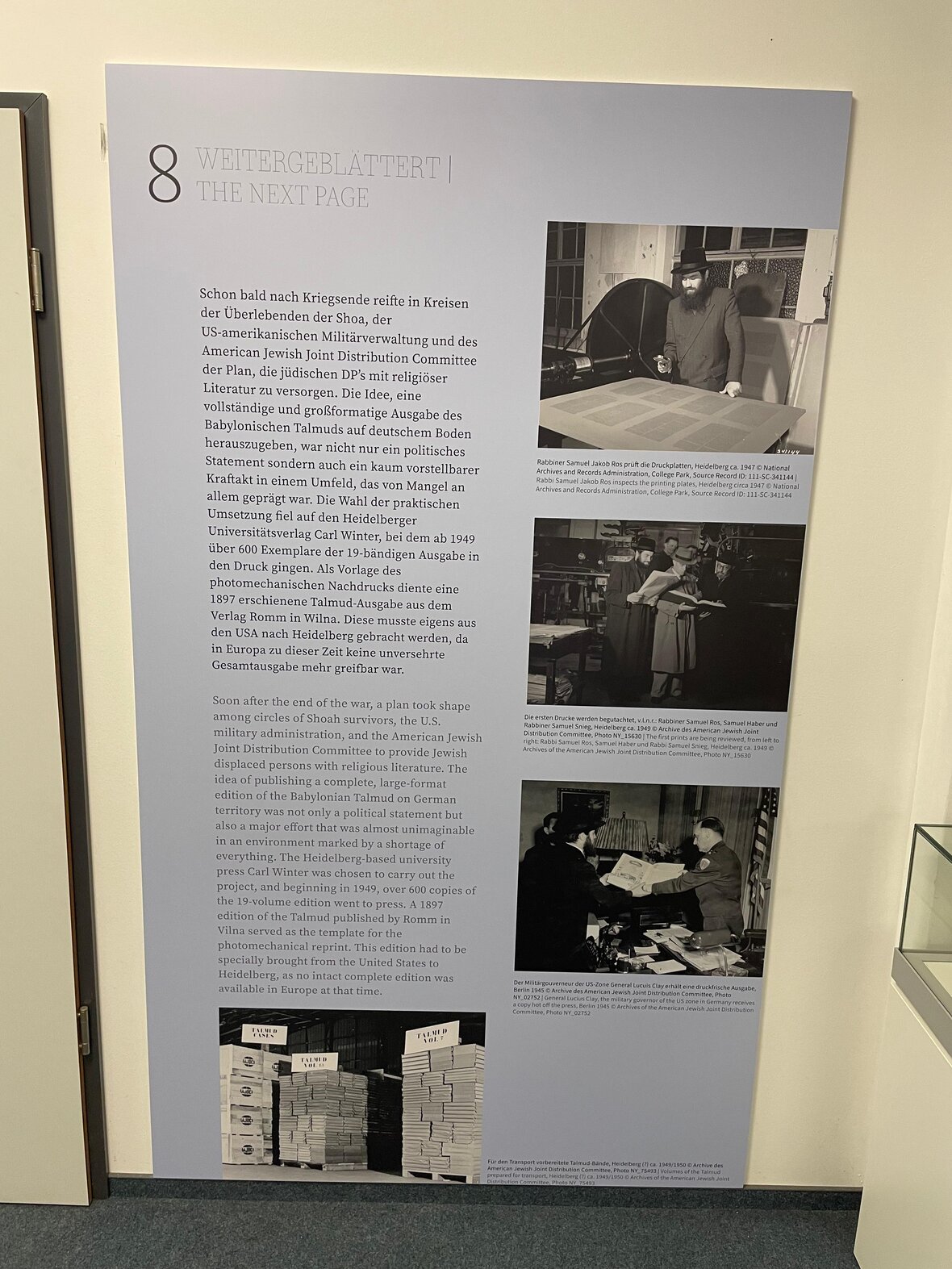
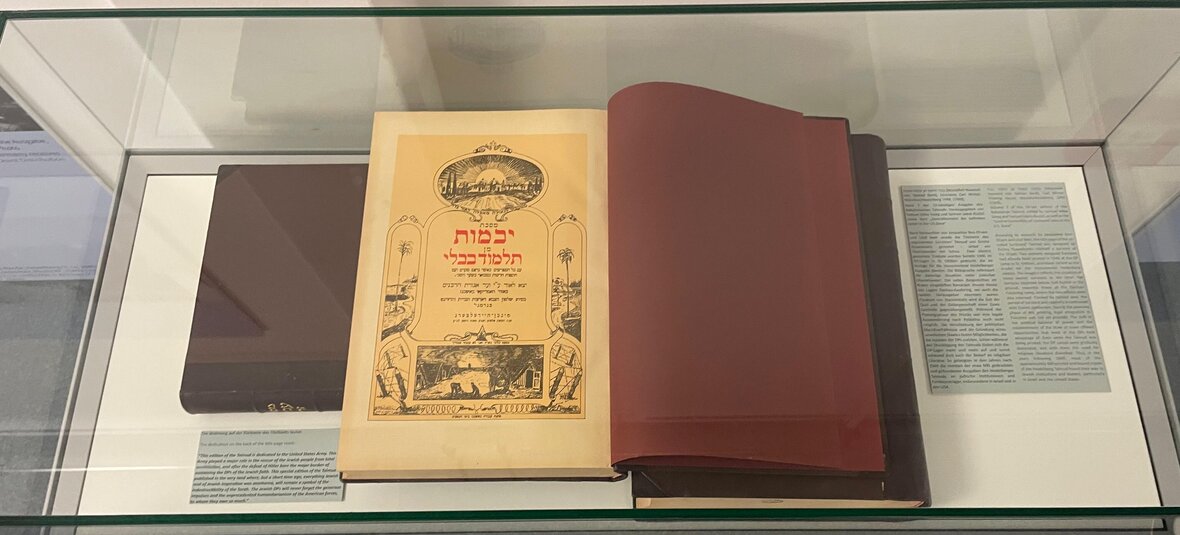
Under the title “BELF – Turning the Pages,” the exhibition also broadens the perspective beyond the Nazi era: it explores the revival of Jewish scholarship after 1945. An impressive example of this is the so-called “Survivors’ Talmud,” a monumental 19-volume edition of the Babylonian Talmud printed by Heidelberger Winter-Verlag beginning in 1946—a symbol of new beginnings and cultural continuity after the Shoah.
The exhibition was made possible by the Piplack-Gabelmann Foundation, the Society for Christian-Jewish Cooperation, the Friends of the HfJS Heidelberg, and the German Center for Lost Cultural Property.