Shared Citizenship in Deeply Divided Societies
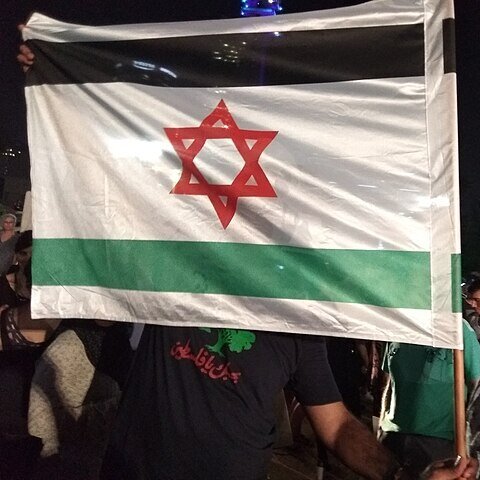
This project explores how common citizenship can be conceived and practiced in societies characterized by deep political, ethnic, religious and ideological divisions. With a focus on Israel, Turkey and Cyprus, it asks how people understand belonging, political community and the possibility of a common civic future in conflict-ridden and polarized contexts.
The project brings together researchers from Germany and the Middle East with civil society partners in Turkey, Cyprus and Israel and combines comparative research with public engagement. Through interviews, focus groups, workshops and joint work with practitioners, it explores both the limits and the possibilities of shared citizenship in deeply divided countries of the Eastern Mediterranean. At the same time, it contributes to broader debates on democratic regression, exclusionary populism and the future of liberal democracy.
The project is funded by the Volkswagen Foundation as part of its funding program "Transformational Knowledge on Democracies under Change - Transdisciplinary Perspectives".
Objective
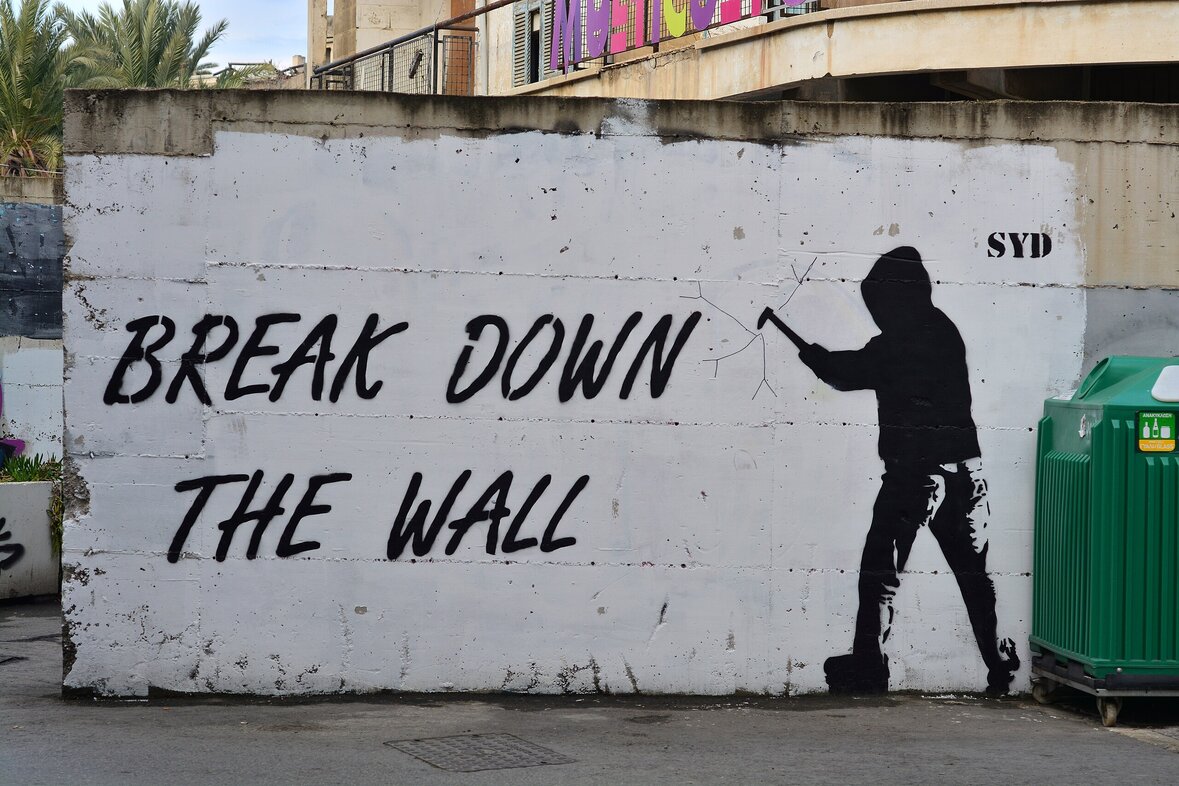
The project develops and tests the idea of shared citizenship as an approach to thinking democracy in deeply divided societies. The idea of shared citizenship is an inclusive model of political solidarity that transcends ethnic and sectarian divides and strengthens democratic resilience in times of polarization and populism.
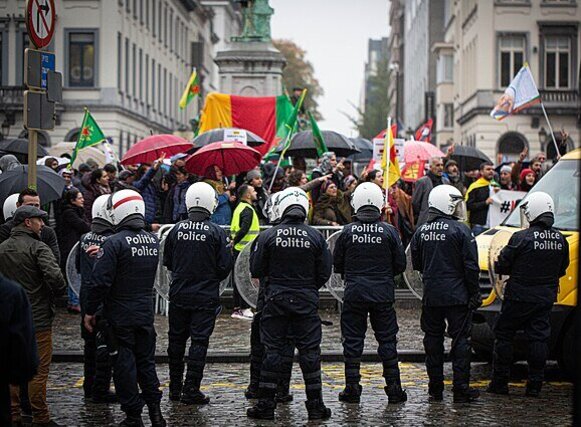
The project responds to the global erosion of social solidarity, which has been exacerbated by the dismantling of welfare systems, increasing economic insecurity and migratory pressures and has fostered exclusionary populism. Based on the assumption that common citizenship emerges when "thin identities" based on shared social and economic conditions ("shared fate") develop into "thick identities" based on political connectedness and collective responsibility ("shared destiny"), the project examines how deeply divided societies can foster more inclusive democratic cultures.
The comparative focus is on Israel, Turkey and Cyprus. These three cases differ in important aspects, but share a post-Ottoman background, contested majority-minority relations and current struggles over democracy, belonging and exclusion. Looking at them together makes it possible to identify both common patterns and case-specific dynamics.
The research is guided by four central questions:
What are the main obstacles to shared citizenship in these three societies?
How do different groups understand, practice or reject this concept?
What similarities and differences emerge between the three cases?
And what practical policy ideas and educational tools could help to strengthen more inclusive forms of democracy?
To answer these questions, the project combines conceptual work with qualitative research. In each country, we conduct interviews and focus groups with civil society actors and other relevant participants. The aim is not only to produce scientific knowledge, but also to develop a clearer language for discussing shared citizenship and to generate results that can be discussed and have an impact beyond academia.
![[Übersetzen nach: English]](/fileadmin/_processed_/e/1/csm_Johannes_Becke_6462a7fd51.jpg "HfJS Heidelberg")
![[Übersetzen nach: English]](/fileadmin/_processed_/e/0/csm_Ruth__1__2415270747.jpg "[Übersetzen nach: English]")
Transfer into practice
A central aim of the project is to combine academic research with practical work in the field. From the outset, the project was conceived in collaboration with civil society actors, and this cooperation becomes particularly important in the final phase of the project, when research findings are translated into recommendations, teaching materials and publicly accessible formats.
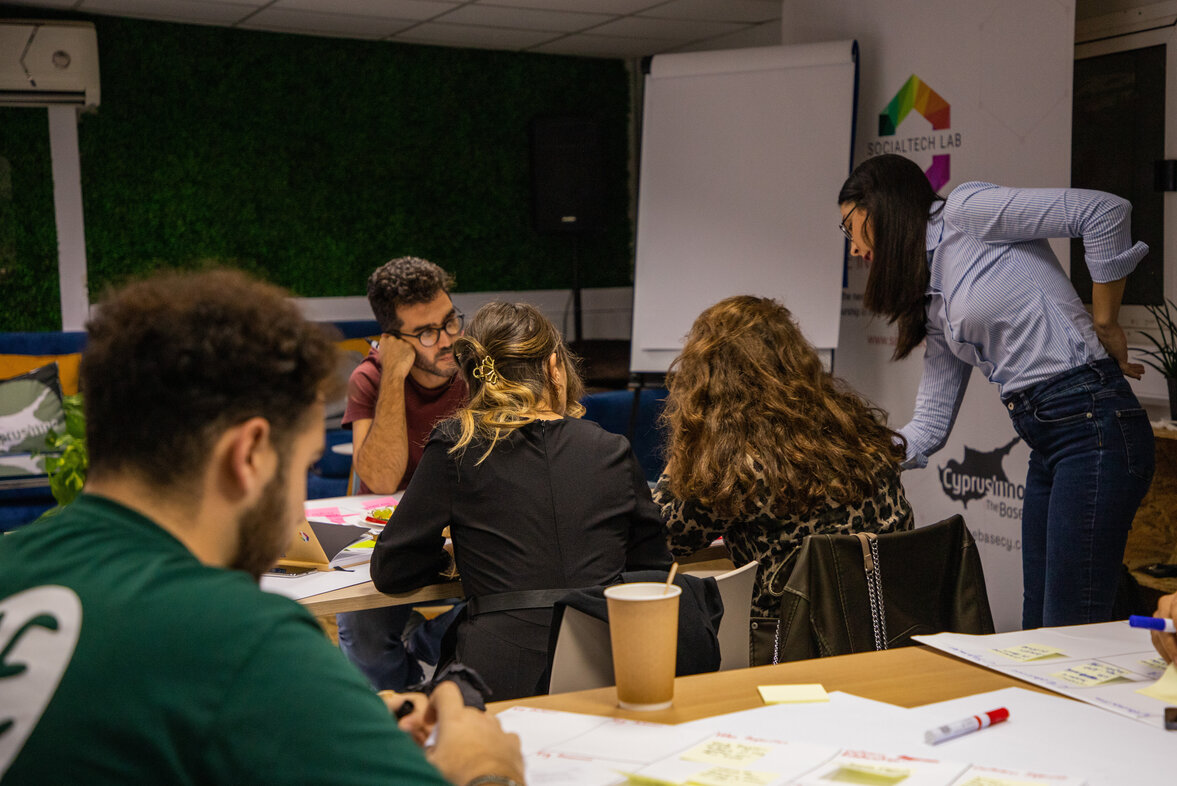
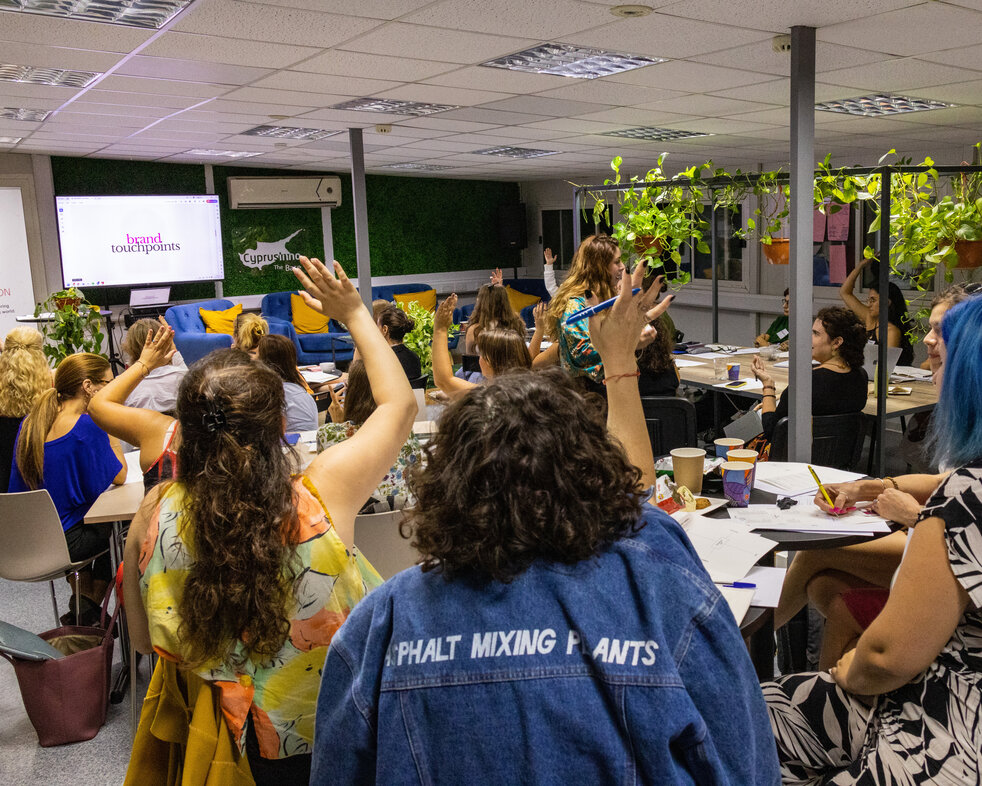
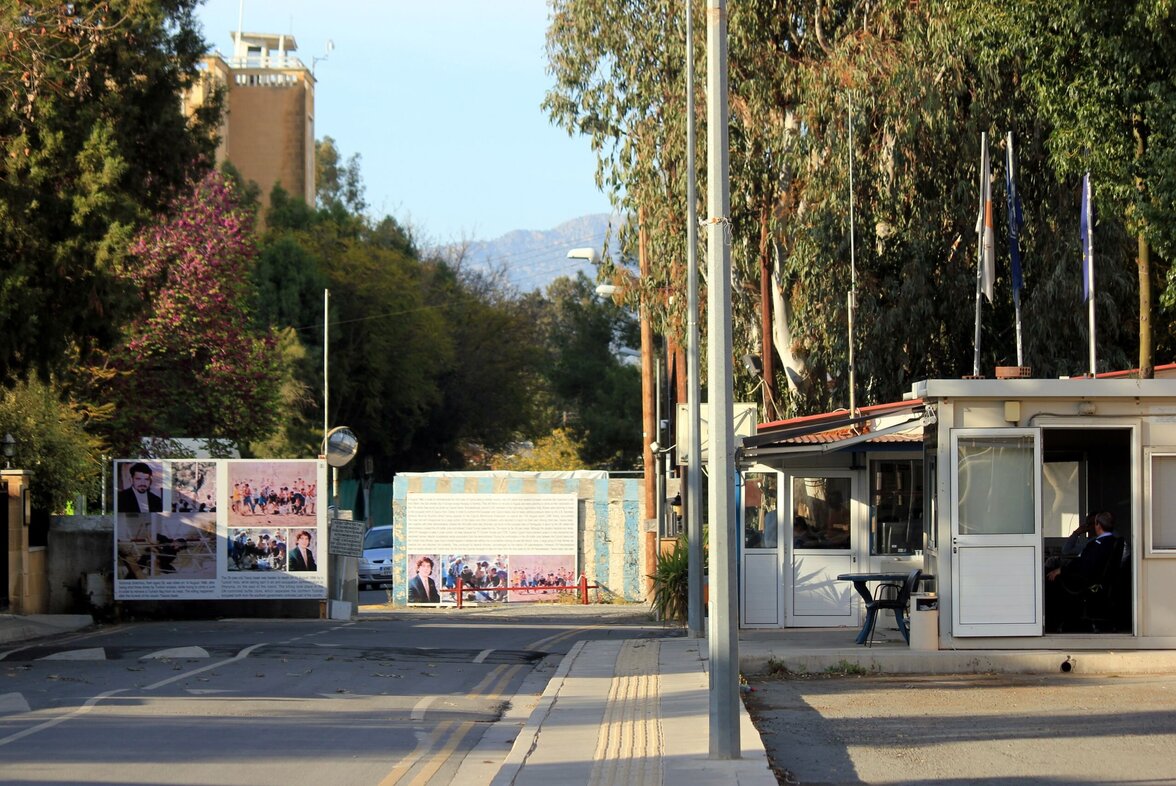
In Israel, the project cooperates with the Forum for Regional Thinking, a think tank that produces critical analyses of the Middle East and Israel's role in the region. In Cyprus, it cooperates with the SocialTech Lab, a center for Turkish and Greek Cypriot social and tech entrepreneurs based in the Nicosia buffer zone. There is also a partnership in Turkey. These three partners contribute to anchoring the research in local realities and make it possible to test how the ideas developed in the project can be applied in educational, civil society and policy-related contexts.
This cooperation is not merely an addition to research. The civil society partners contribute practical knowledge, help to identify relevant target groups and participate in discussions on how the results of the project can be communicated and applied. In turn, the project provides comparative perspectives, conceptual tools and research-based insights that can support their own programs and public work.
In the fifth year of the project, this exchange will lead to concrete results that go beyond the academic world: Educational seminars, teaching materials, policy-related recommendations and public events. The aim is to make the results of the project usable for practitioners, teachers and a wider public interested in democracy, polarization and the conditions of a common political life in divided societies.